
99%+ Purity
Guaranteed per batch
Licensed Peptides sells to approved research accounts only.
Log in Apply for an accountResearch Use Only. Products are intended strictly for laboratory research and not for human or animal consumption. You must be 21 or older.
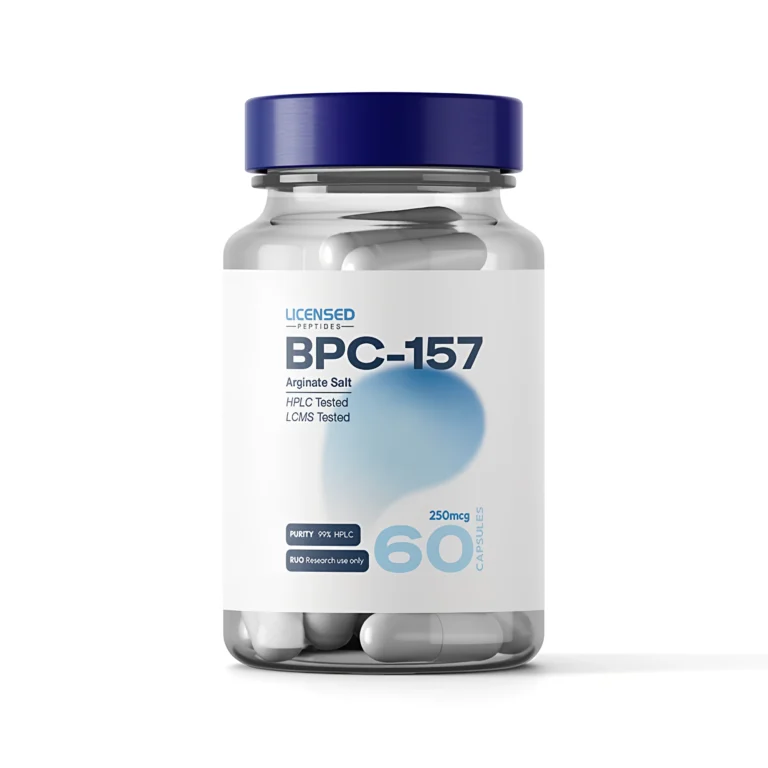
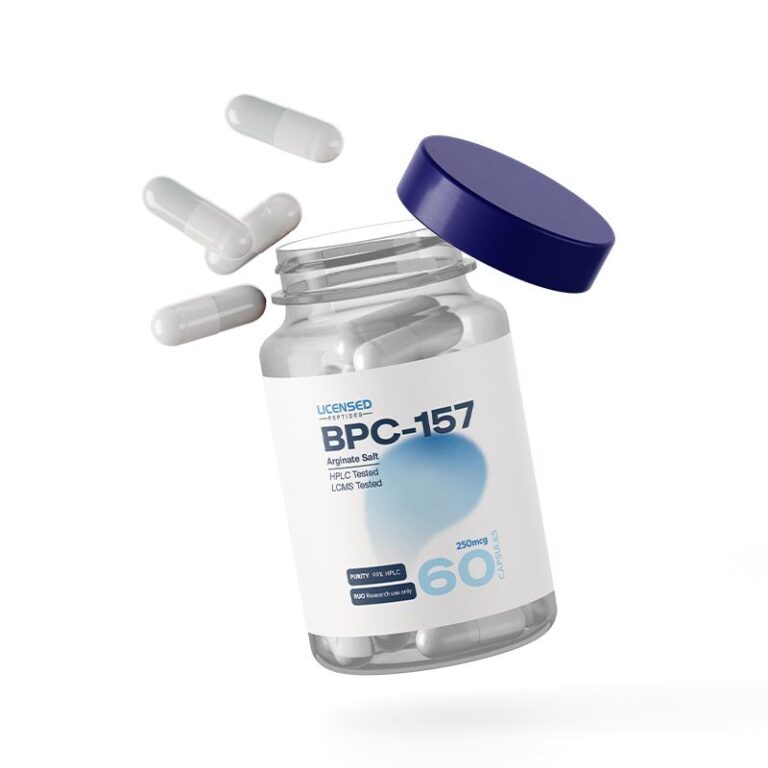
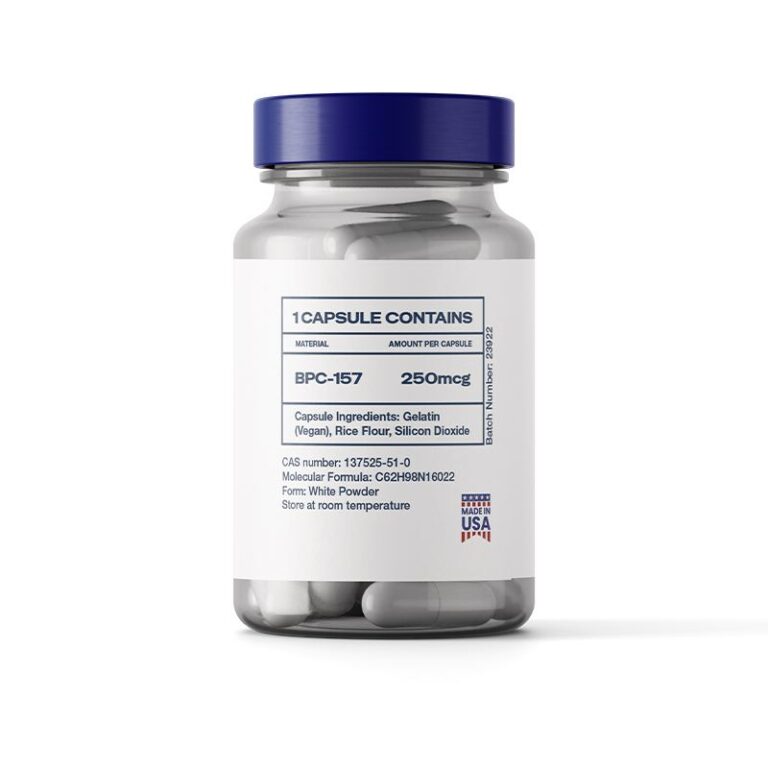
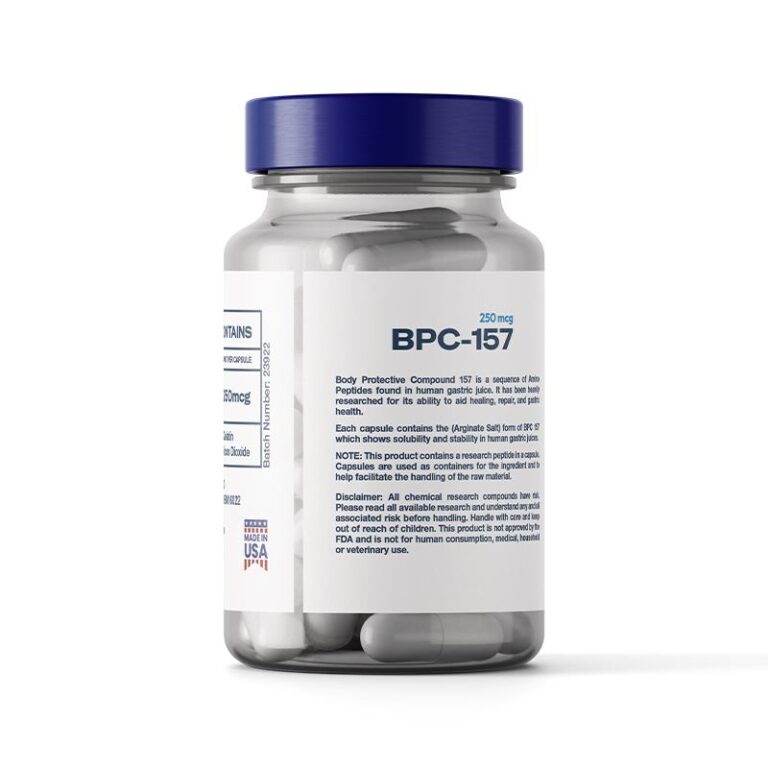
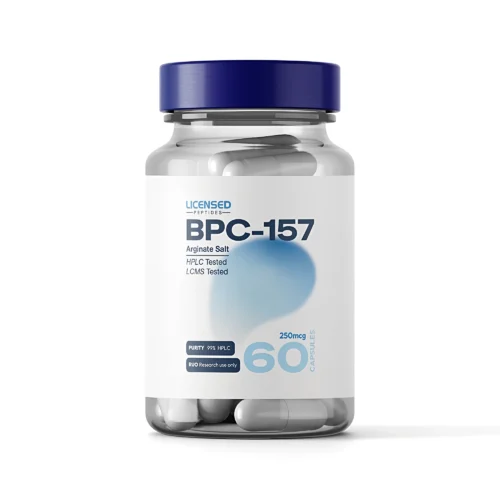
 99%+ HPLC Purity —
Independently verified by accredited US laboratory
Endotoxin-Screened —
LAL tested, LPS-free, endotoxin report available
GMP-Certified Manufacturing —
USA facility, ISO 9001:2015
Lyophilized for Stability —
Shipped cold-packed, intact for reconstitution
Structure, physicochemical data, analytical verification and safety documentation for BPC-157. Supplied for in-vitro laboratory research only.
Two-dimensional structures generated with RDKit and drawn in the site palette. Tap a drawing to enlarge it. Below each drawing, the residue chain in one-letter code with the three-letter name and position; colours mark the side-chain class, a dashed outline marks a D-residue or a non-proteinogenic residue (lower-case letters are D-residues).
 Tap to enlarge
2D depiction, C62H98N16O22, generated from the PubChem connection table, CID 9941957.
H-Gly-Glu-Pro-Pro-Pro-Gly-Lys-Pro-Ala-Asp-Asp-Ala-Gly-Leu-Val-OH
Formula, masses and identifiers from PubChem where a record exists, checked against an independent RDKit calculation and, for peptides, against the residue sequence. Theoretical pI, net charge at pH 7.4, GRAVY and the 280 nm extinction coefficient are calculated with Biopython ProtParam on the residue chain (Bjellqvist pK set; Kyte-Doolittle; Gill and von Hippel) and are marked "calculated"; they are not given where the chain contains non-proteinogenic residues.
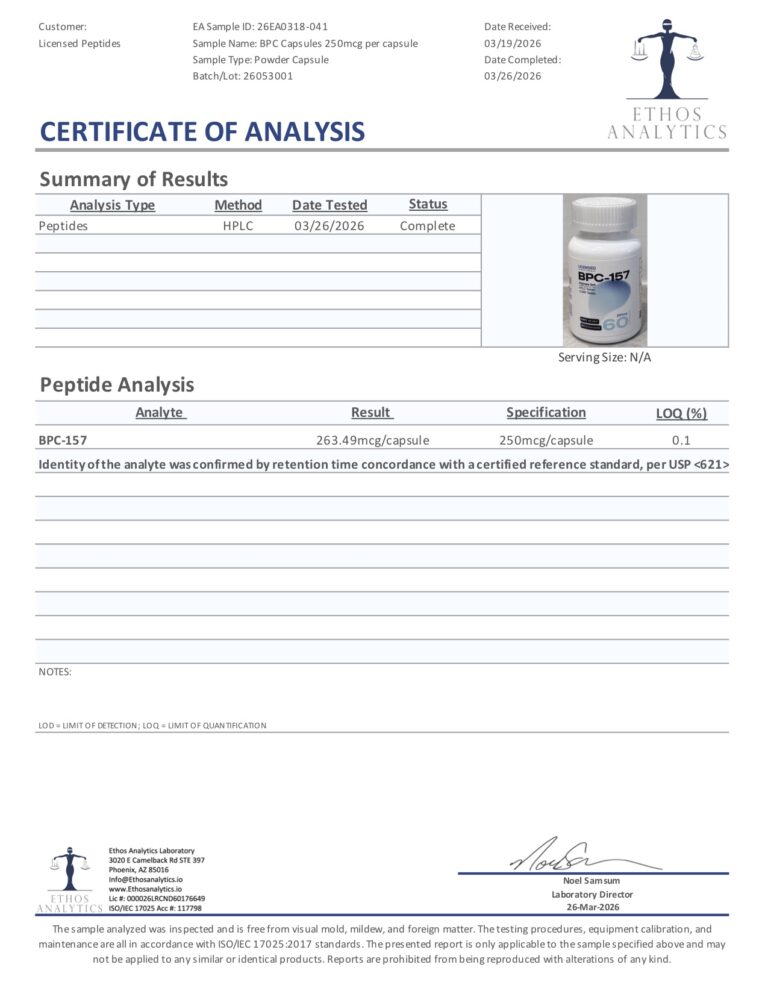
Tests reported for the current lot on file by Ethos Analytics (released 03/26/2026): HPLC (content against the specification). Only the tests listed below are part of this lot's report.
| Test | Method | Result |
|---|---|---|
| Content (label claim 250 mcg per unit) | HPLC | 263.49 mcg per unit |
Summaries of published papers, written for qualified researchers. They describe the published work, not this product.
GHS-format safety data sheet, 16 sections. Revision 2026-11-04, version 1.0. "No data available" is stated wherever no measured data exist for the substance.
Guaranteed per batch

Independent lab verified

Vanguard Laboratory · ISO/IEC 17025

USA-manufactured

Free FedEx on $200+
Not all peptide vendors hold themselves to the same verification standards.
| Verification Standard | Licensed Peptides | Generic Vendors |
|---|---|---|
| HPLC Purity Analysis |  99%+ Every Batch |
 Often Not Disclosed |
| Endotoxin Screening (LAL) | Every Product |
Industry Exception |
| GMP-Certified USA Manufacture | ISO 9001:2015 |
Often Overseas |
| COA Published & Downloadable | Every Lot |
Inconsistent |
| Same-Day USA Fulfillment | Before 4PM PST |
3-10 Day Lead Time |
BPC-157 is a synthetic 15–amino acid peptide based on a fragment identified in gastric proteins. It is studied exclusively in laboratory and animal-based research models.
It is commonly examined in tissue integrity studies, gastrointestinal simulations, vascular signaling experiments, inflammatory pathway research, and exploratory neurological models.
No. BPC-157 is not approved for human or veterinary medical use and is intended strictly for research and educational applications.
Preclinical research indicates it remains structurally intact in acidic and enzymatic environments, making it a reliable subject for degradation and interaction studies.
Its broad engagement with multiple biological pathways and reproducible behavior across experimental models distinguishes it from many short-chain peptides.
Human data is extremely limited. The vast majority of information comes from in-vitro and animal studies.
It is typically stored as a lyophilized powder in cool, dry conditions. Once reconstituted for experiments, storage follows standard laboratory peptide protocols.
Animal studies report minimal adverse reactions, but these findings cannot be extrapolated beyond controlled research environments.
In many jurisdictions, BPC-157 can be purchased for laboratory research purposes. Regulatory requirements vary by location and should always be verified.
Some studies suggest interaction with inflammatory signaling markers in experimental models, though conclusions remain preliminary.
Its stability, versatility, and broad pathway engagement make it valuable for ongoing mechanistic research across multiple biological systems.
An LPS-free peptide indicates that the research material has been tested to ensure minimal lipopolysaccharide contamination. This is important in laboratory studies, as LPS can interfere with experimental outcomes and immune-response measurements in research models.
Endotoxins can introduce variability and confounding effects in in-vitro and laboratory experiments. An endotoxin-free peptide supports cleaner data collection and improves reproducibility in controlled research environments.
Not all peptide vendors hold themselves to the same verification standards.
CAS: 89030-95-5 | 137525-51-0 | 77591-33-4
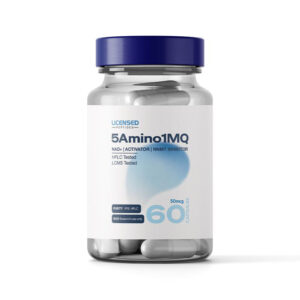
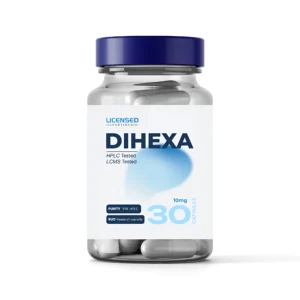
99.4% HPLC Verified · Endotoxin-Screened · GMP-Certified ·
Free FedEx 2-Day on $200+
You cannot copy content of this page
Third-party tested peptides, shipped cold from the U.S. in 1–2 days.
Shop all peptides