Research Peptides
-
2 for 1
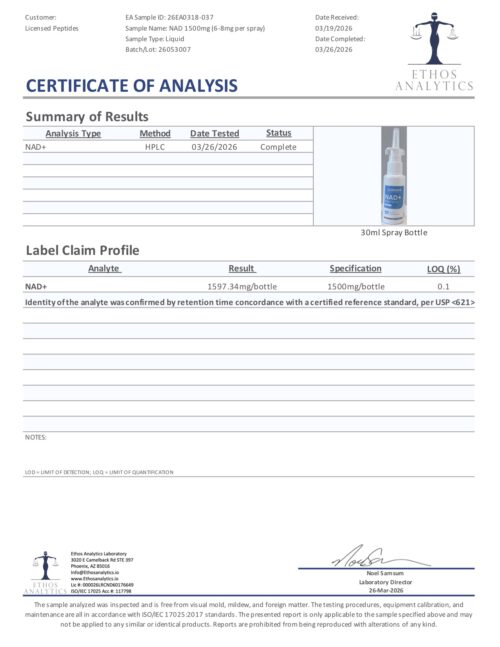
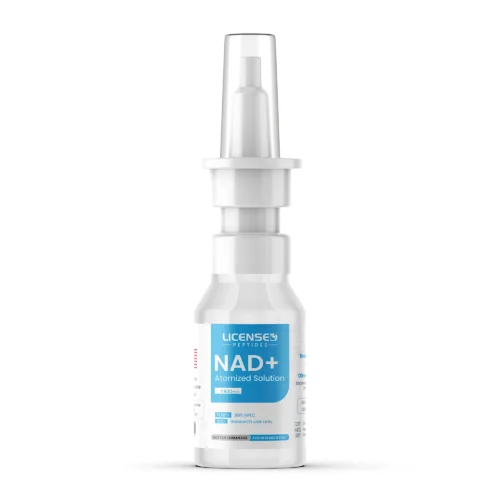 NAD+ Atomized Solution 30ml is supplied strictly for laboratory research use only. This material is intended for analytical and controlled research applications. It is not approved or intended for human or animal use, ingestion, dosing, or therapeutic application. This product is not a nasal spray and is not manufactured, labeled, or offered for nasal or other human administration. It is not intended for ingestion, inhalation, injection, topical application, or introduction into the human or animal body by any route.
-
2 for 1
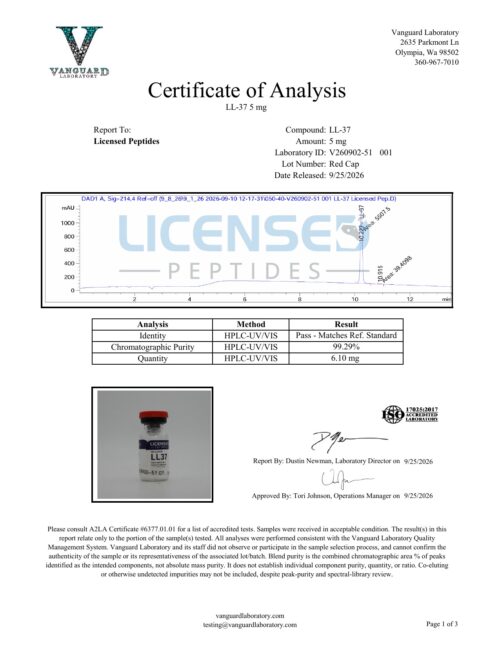
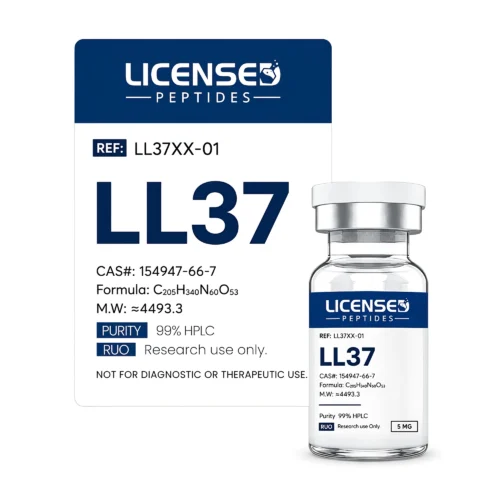 LL-37 is a 37-amino-acid antimicrobial peptide derived from the human cathelicidin precursor hCAP18. As a research peptide, it is studied for its potential roles in antimicrobial activity, immune signaling, inflammation, cell migration, and tissue repair. Its positively charged, amphipathic structure allows it to interact with biological membranes and cellular components, making it a useful subject for research in microbiology, immunology, cell biology, and peptide science. LL-37 remains an experimental research compound, and laboratory findings do not establish clinical use or safety.
-
2 for 1
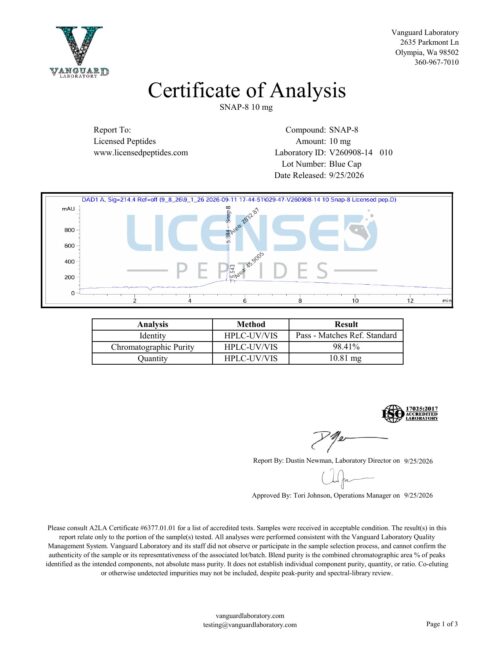
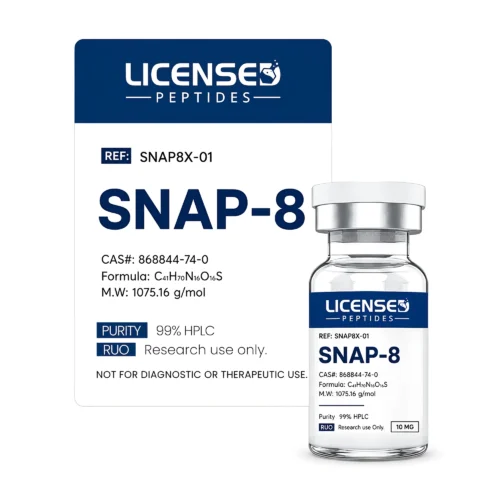 SNAP-8 is generally identified in cosmetic ingredient terminology as acetyl octapeptide-3.The name reflects its structure: “acetyl” refers to the attached acetyl group, while “octapeptide” indicates that the peptide contains eight amino acids. It is sometimes described in consumer products as an “acetyl hexapeptide serum,” but this terminology can lead to confusion with Argireline, which is commonly associated with acetyl hexapeptide-8 and, in some older ingredient references, acetyl hexapeptide-3. Although SNAP-8 and Argireline are both cosmetic peptides often discussed for their wrinkle-related applications, they are different ingredients and should not be considered interchangeable.
-
2 for 1
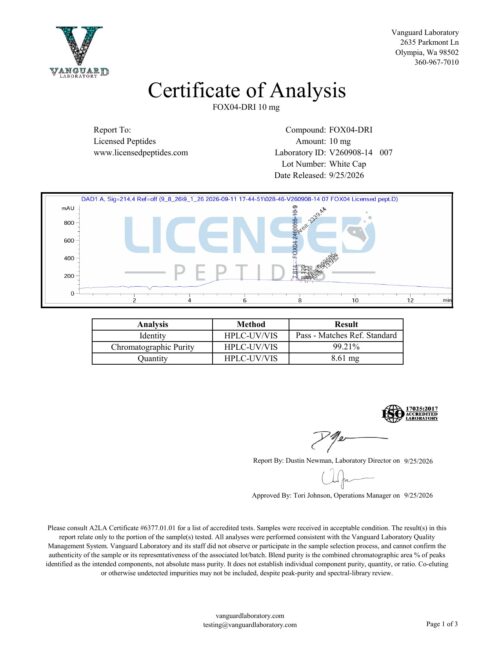
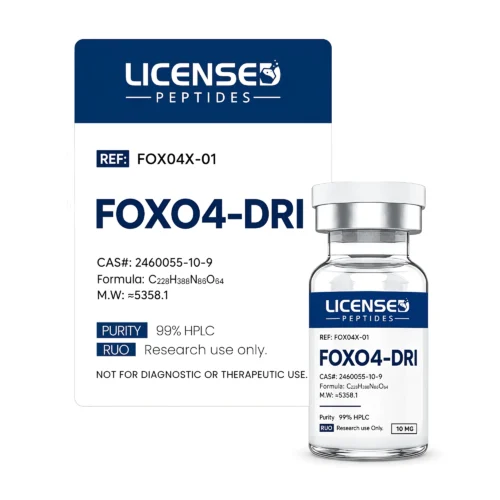 FOXO4-DRI (FOXO4-D-Retro-Inverso) is a synthetic senolytic research peptide designed to interfere with the interaction between the transcription factor FOXO4 and the tumor-suppressor protein p53. This interaction is associated with the survival of senescent cells. By disrupting the FOXO4–p53 interaction, FOXO4-DRI has been investigated for its ability to promote apoptosis, or programmed cell death, in selected senescent-cell models.
-
2 for 1
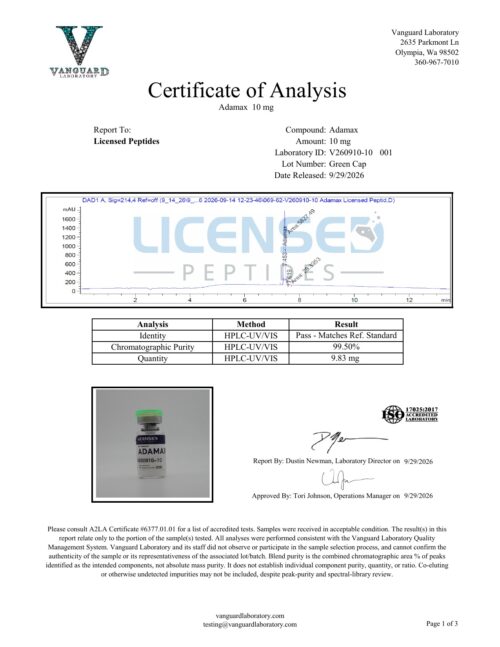
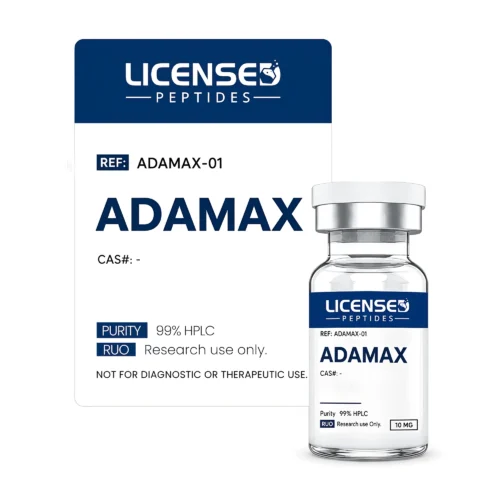 Adamax is a relatively obscure synthetic research peptide generally described as a modified analogue of Semax. It is discussed primarily in the context of experimental neuroscience and nootropic research. However, the scientific literature surrounding Adamax itself is very limited, and several sources use the name inconsistently, so its exact chemical identity should be verified against analytical documentation such as a COA and structural specification. Adamax is commonly described as incorporating modifications to the Semax peptide backbone, with an adamantane-related structural component intended to alter properties such as molecular stability and lipophilicity. These modifications have led to hypotheses that the compound may behave differently from conventional Semax, particularly with respect to enzymatic degradation and central-nervous-system exposure.
-
2 for 1
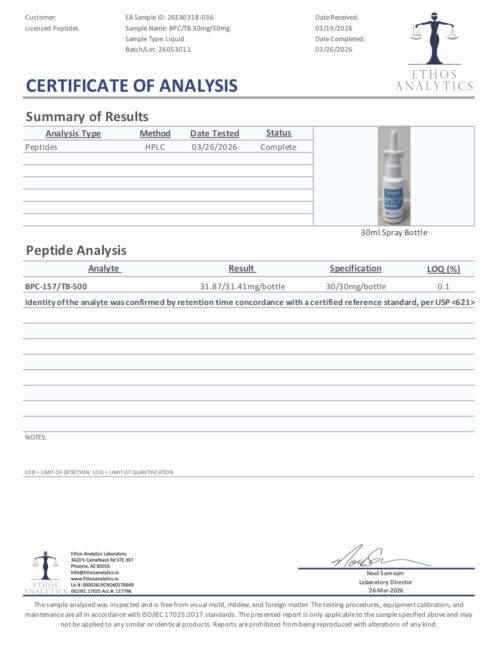
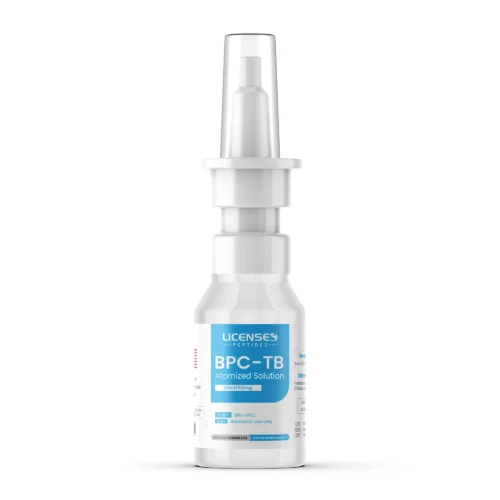 BPC-TB Atomized Solution 30ml is supplied strictly for laboratory research use only. This material is intended for analytical and controlled research applications. It is not approved or intended for human or animal use, ingestion, dosing, or therapeutic application. This product is not a nasal spray and is not manufactured, labeled, or offered for nasal or other human administration. It is not intended for ingestion, inhalation, injection, topical application, or introduction into the human or animal body by any route.
-
2 for 1
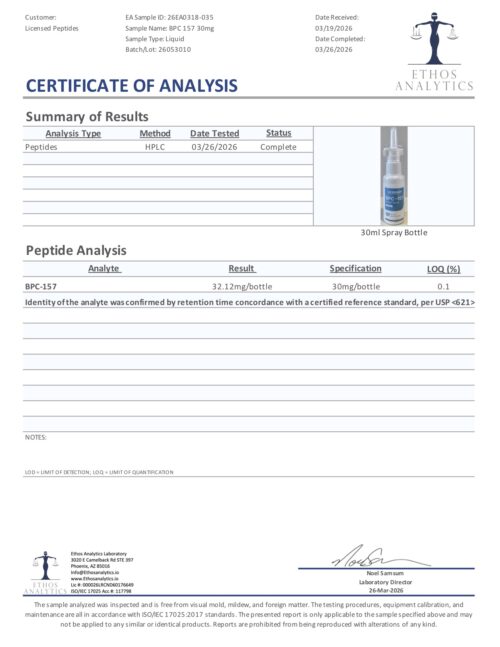
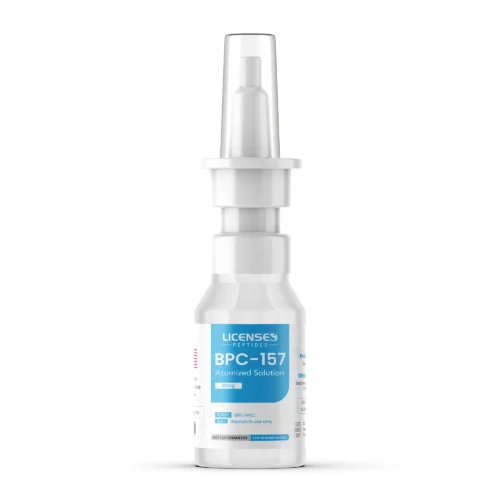 BPC-157 Atomized Solution 30ml is supplied strictly for laboratory research use only. This material is intended for analytical and controlled research applications. It is not approved or intended for human or animal use, ingestion, dosing, or therapeutic application. This product is not a nasal spray and is not manufactured, labeled, or offered for nasal or other human administration. It is not intended for ingestion, inhalation, injection, topical application, or introduction into the human or animal body by any route. All references to BPC-157 relate solely to research use only, and no information should be interpreted as guidance for human consumption, animal administration, or medical use. Experimental observations are intended exclusively for scientific exploration and hypothesis development within regulated research environments.
-
2 for 1Sold Out
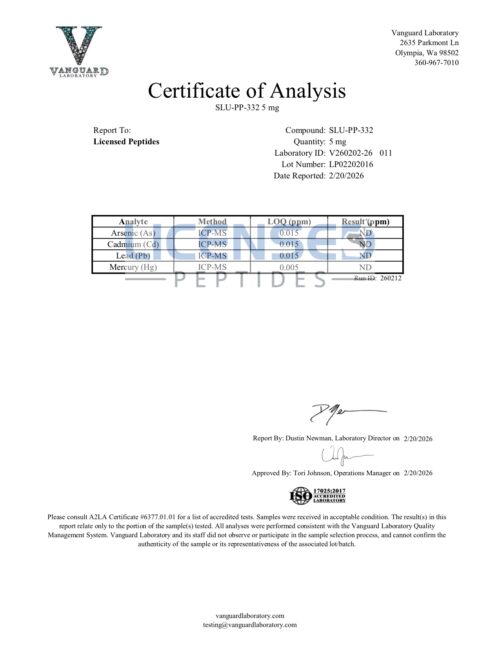
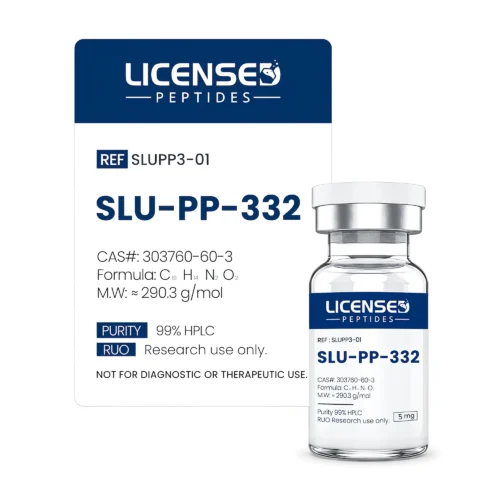 Buy SLU-PP-332 for research use. Every batch we supply is independently analyzed for purity, identity, heavy metals, endotoxins, sterility, and consistency. Certificates of analysis are available for every lot you order. Important Notice – We supply SLU-PP-332 exclusively for research. It’s not approved for human or veterinary use. Any discussion concerning the biological activity of SLU-PP-332 refers to preclinical and in vitro studies only. Looking to work with other compounds? Explore our collection of peptides for premium, high-purity research compounds.